About ISPMF
A word from your president
Diego Orzaez
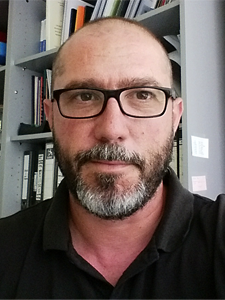
Diego Orzaez
The International Society for Plant Molecular Farming (ISPMF) brings together scientists, innovators, and industry partners who share a common goal: turning plants into sustainable platforms for producing valuable biomolecules, with applications ranging from medicine and crop protection to food and cosmetics, among others.
We meet this challenge at a pivotal moment for the field. Other production platforms may have had a head start in time and investment, but new tools such as genome editing, synthetic biology, advanced downstream processing, and now artificial intelligence are closing that gap fast. Shaped by millions of years of evolution into highly efficient biomanufacturers, plants bring an advantage of their own, and for many products they are not just a valid option but arguably the best adapted chassis for bioproduction.
The proof is already visible. New plant-made commercial products are reaching the market, and the continued success of others already established shows that this is not just promise but a real route forward. Plant Molecular Farming is having a genuine impact on the bioeconomy today, and it is well placed to grow that impact in the years ahead, offering the world effective and sustainable answers to its growing demands.
This is a great moment for our community, and I invite you all, old friends and newcomers alike, to explore together what the plant cell can offer as a platform for sustainable bioproduction.
Society´s main activities
Meetings
A biennial ISPMF conference and satellite meetings
News
Regular newsletters and mailshots
Funding
Travel bursaries, conference registration discounts, support for local meetings and more
Discussion
A forum for scientific conversation
Policy
Promoting Molecular Farming
Resources
A publicly accessible repository
Corporate Members
Our GOLD Corporate Members


Our Silver Corporate Members






History
The ISPMF was established in 2014.
Find out more about our journey here

Past Presidents
Meet the people who shaped the ISPMF

Julian Ma
holds the Hotung Chair of Molecular Immunology at City St George’s, University of London. He was a pioneer in the development of monoclonal antibodies in plants, leading many large publicly funded research consortia, including the PharmaPlant consortium that successfully completed the first first-in-human clinical trial for a plant-produced monoclonal antibody in the world.
Trained initially in dentistry at Guy’s Hospital (1983), where he also completed a PhD in immunology, Julian worked with Andy Hiatt at The Scripps Research Institute in the early years of antibody expression in transgenic plants. Returning to London, he established his research group at Guy’s Hospital before joining St George’s Hospital Medical School, University of London in 2003, where he served as Director of the Institute for Infection and Immunity 2014-2024.
His research focuses on making modern medicines more affordable and accessible globally, particularly for diseases such as HIV, tuberculosis, and rabies.
Julian has played a leading role in advancing plant-based biopharmaceuticals internationally. As Vice-Chair of the European COST Action on plant molecular farming, he conceived and founded the ISPMF in 2014 and served as its first president, helping to build a global scientific community dedicated to this emerging field.
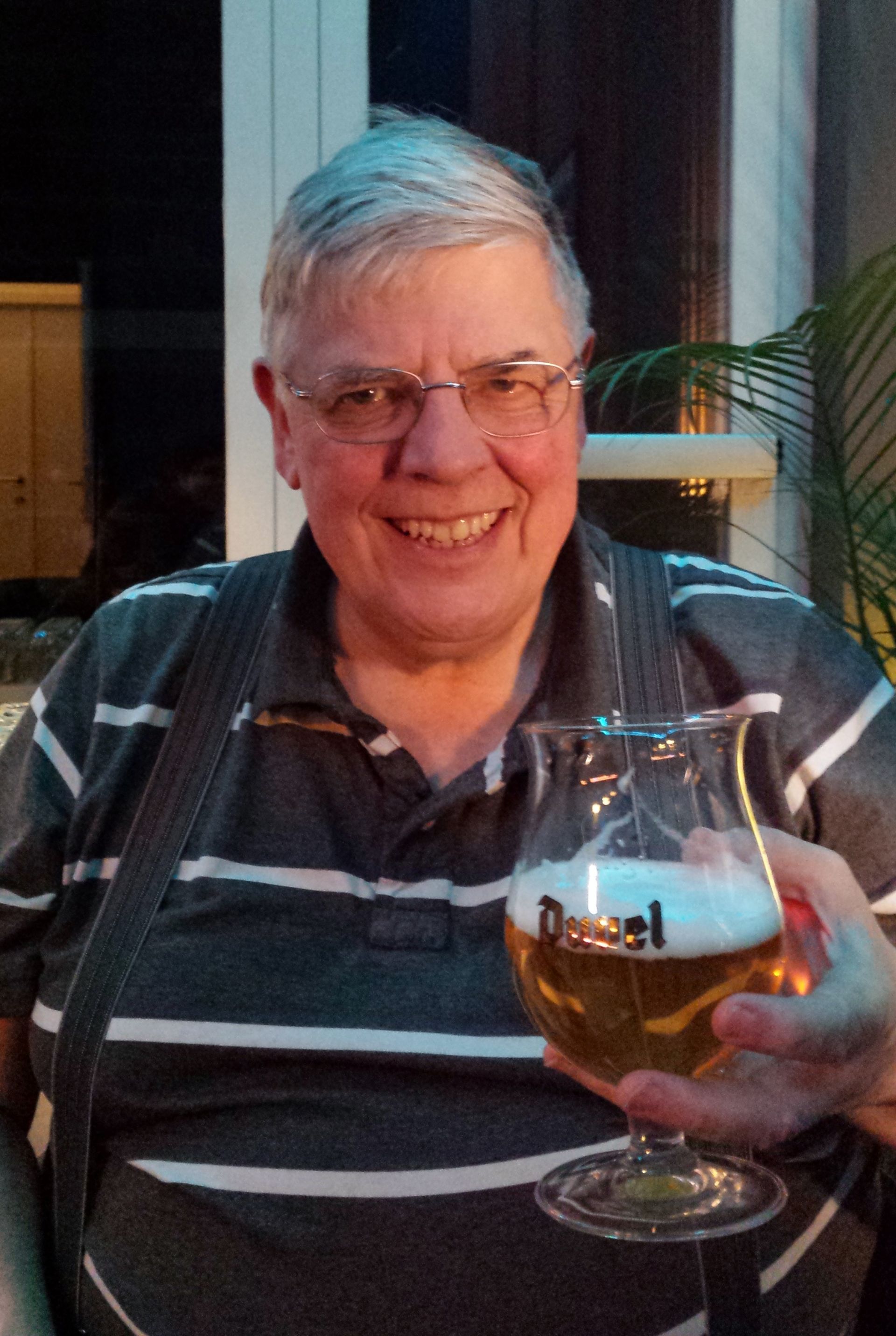
George Lomonossoff
is a pioneer in plant molecular farming. In the 1990s, he was the first person to demonstrate plant virus engineering to display peptides and proteins, he went on to establish the powerful and widely shared CPMV-HT transient expression system, and is regarded as an international leader in the expression of virus-like particles (VLPs) in plants and their uses in bio- and nanotechnology.
George graduated from the University of Cambridge in 1976 and studied for his Ph.D. at the MRC Laboratory of Molecular Biology (LMB), Cambridge. He subsequently moved to the John Innes Centre, Norwich in 1980 and has continued to work there ever since apart from two periods of sabbatical leave in the USA (Cornell University and The Scripps Research Institute). His research has focused on the molecular biology of RNA plant viruses. He is an honorary professor at the Universities of East Anglia and Nottingham and has co-ordinated several EU Framework consortia. In 2012 he was named “BBSRC Innovator of the year” for his work on plant-made pharmaceuticals and in 2015 delivered the Society of General Microbiology Colworth Prize Lecture.
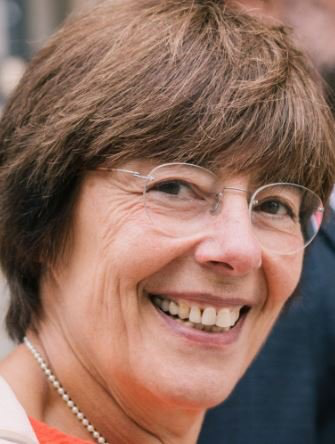
Ann Depicker
was a professor at the University of Ghent, Belgium and a group leader in the VIB Plant Systems Biology department. During her illustrious scientific carrier she witnessed and was involved with many of the early exciting developments in plant biotechnology, including the discovery of why and how Agrobacterium makes tumors in plants and developing the insight that Agrobacterium can be used to make transgenic plants. She was a major player in the phenomenal subsequent advances that were made subsequently in Plant Science.
Her early research focused on the functional analysis of Ti plasmids and the use of Agrobacterium as a plant genome engineer. As the field developed, she made a major contribution to our understanding of T-DNA integration patterns and the correlation with the occurrence of transcriptional and post transcriptional gene silencing. Subsequently, her group focused on the production of antibodies and immunogens in plants, and she used her expertise to show that plants can make functional antibodies that can be applied as biotherapeutics to prevent and to treat infectious diseases.
Ann Depicker taught genetics to a generation of biologists and biotechnologists between 1984 and 2017. Ann was head of the University of Ghent, Department of Plant Biotechnology and Bio-informatics for 20 years. She retired in September 2018, and is now emeritus professor of the University and Ghent and alumnus of the VIB institute.
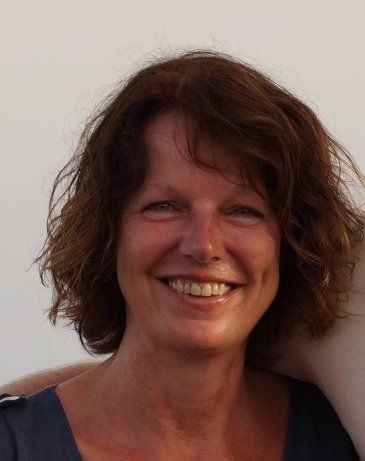
Inge Broer
is emeritus Professor at the University of Rostock, Germany. She studied physics briefly before completing a biology degree at the University of Bielefeld, where she also earned her PhD in genetics in 1989 and later her habilitation in genetics and cell biology in 1996. She subsequently specialised in plant genetics and agrobiotechnology. After leading a plant cell culture research group in Bielefeld, she moved to the University of Rostock, where she established and led a plant genetics research group and became Professor of Agrobiotechnology in 2003. She became an influential contributor to the development and evaluation of genetically modified plants in Europe, as her work spanned multiple disciplines, notably molecular genetics, agricultural innovation, and biosafety policy.
At Rostock, Broer’s research focused on genetically modified plants, sustainable agricultural biotechnology, and biosafety assessment of gene technology. Her work included developing transgenic crops for industrial and environmental applications, such as plants producing biodegradable polymers and vaccines, as well as studying the ecological and safety implications of such technologies. She pioneered the risk assessment on transgenic plants including multiple field trials in Germany and Argentina and developed new methods like inducible male sterility in plants. Beyond research, she held multiple leadership and advisory roles, including advising German national bodies and the European Food Safety Authority on biotechnology and risk assessment.
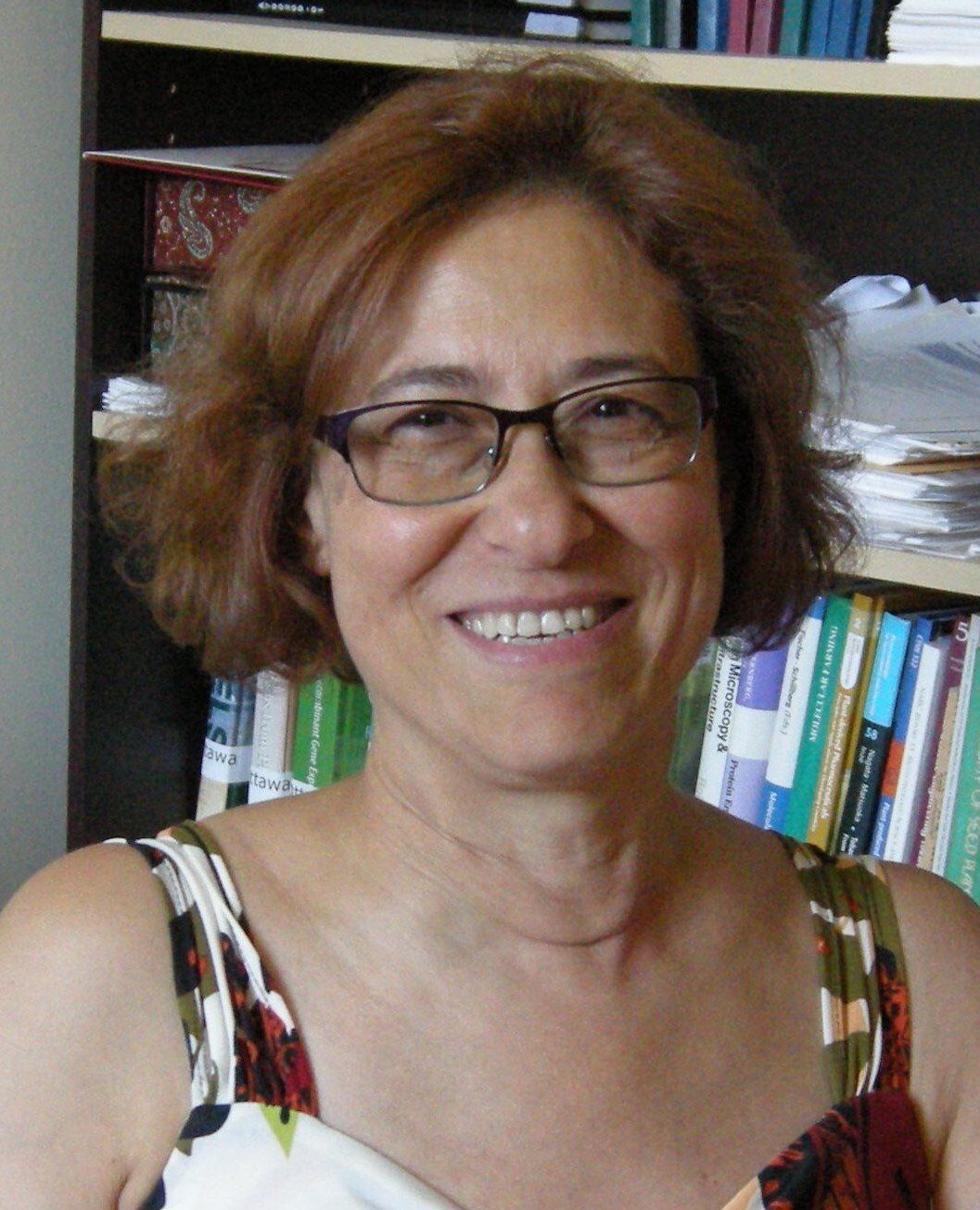
Rima Menassa
is a Principal Research Scientist with Agriculture and Agri-Food Canada (AAFC) in London, Ontario, a position she has held since 1997. She also serves as an adjunct professor at Western University. She specialises in plant biotechnology and molecular farming and has made important contributions to the field, including developing innovations in recombinant protein expression, purification, and vaccine development using transgenic plants, reflecting a focus on sustainable and scalable solutions for global health and agriculture.
Rima obtained her PhD in molecular biology from McGill University in Canada, following undergraduate and master’s studies in agricultural sciences at the American University of Beirut.
Menassa’s research focuses on the use of plants as bioreactors to produce proteins, particularly vaccines and antibodies for animal health, including orally delivered vaccines that could reduce reliance on antibiotics and improve food safety in agriculture.
Former Board Members
Thanks to former board members for their commitment
Joachim Schiemann
Secretary 2014 - 2018
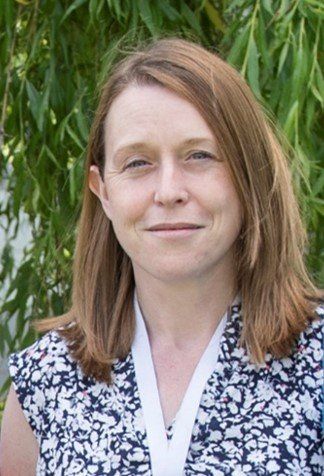
Penny Hundleby
Treasurer/Communication Officer 2014-2022
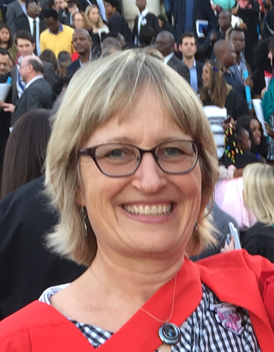
Inga Hitzeroth
Communication Officer/Conference Organizer 2014 - 2024

Pooja Saxena
Deputy Secretary 2021 - 2024